How Black Influence Can Drive Community Development: Lessons from T.I. Harris

Written by The Perspective Desk
Published by Provoking Perspectives
In today’s conversation, we’re looking beyond celebrity to examine what community leadership can look like through the lens of T.I. Harris.
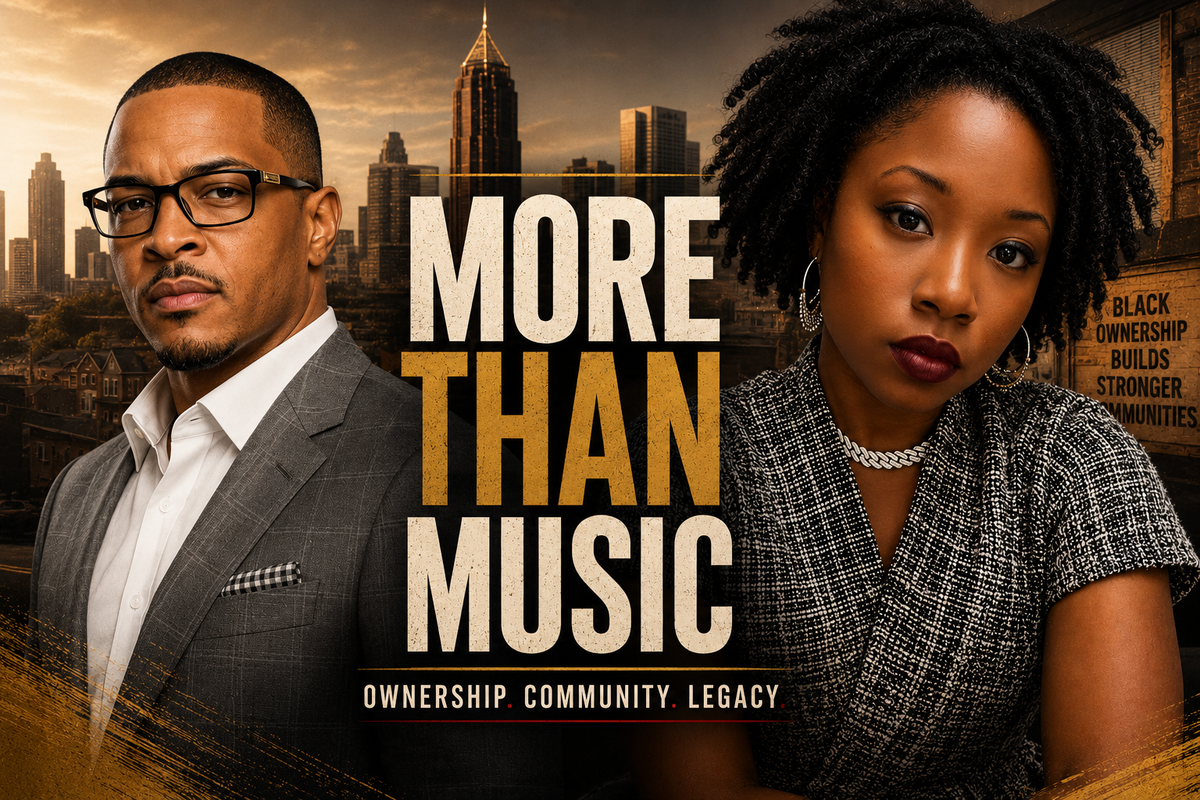
Often recognized for his music and media presence, T.I. also offers a useful case study in the responsibilities that come with influence, especially within Black communities. His journey shows how successful Black entrepreneurs and public figures can use visibility to support ownership, economic opportunity, and long-term community development.
Whether you are an aspiring artist, community leader, entrepreneur, or someone interested in social progress, T.I.’s story offers valuable lessons about what influence can accomplish when paired with responsibility and strategy.
The Multifaceted Identity of T.I.: Beyond the Music
When most people hear “T.I.,” they think of Atlanta, trap music, and chart-topping success. But beyond the fame, T.I. Harris represents a broader story of entrepreneurship and community engagement.
His continued connection to Atlanta is especially important. Rather than treating success as an escape from the community that shaped him, his public journey shows the value of remaining connected to one’s roots.
T.I. built a successful career in entertainment and became a founding executive of Grand Hustle Entertainment. His evolution highlights an important lesson: success is not only about personal achievement. It is also about what you build, who you employ, and how your influence creates opportunities for others.
Ownership Over Talent: The Key to Long-Term Impact
One of the most important lessons from T.I.’s evolution is the value of ownership.
Black talent has always been abundant in entertainment, but ownership has often remained limited. T.I.’s career demonstrates how artists can move beyond performing within someone else’s structure and become owners, executives, and decision-makers.
Why Ownership Matters
Ownership—whether in music, fashion, media, real estate, or another industry—determines who makes decisions and who receives the long-term financial benefit.
When artists own labels, studios, brands, or intellectual property, they gain greater control over their careers. They also create opportunities to employ others, develop new talent, and circulate more wealth within Black communities.
The Significance for Black Creatives
T.I. expanded into television, film, fashion, and media, showing that talent can grow into entrepreneurship.
For aspiring Black creatives, the lesson is clear: talent may open the door, but ownership helps keep it open. Understanding contracts, financial management, licensing, and strategic partnerships can turn short-term success into long-term stability.
Media Platforms as Tools for Cultural Control and Education
Media shapes how Black communities and Black success are understood.
T.I.’s expansion into the expediTIously podcast demonstrates how Black public figures can use media platforms to engage in conversations about culture, business, politics, family, and accountability.
Why Control of Our Stories Matters
Historically, Black life has often been described by outsiders and reduced to stereotypes, crime statistics, entertainment, or political slogans.
Black-led media platforms create opportunities to tell fuller stories. They can highlight Black achievement, examine community challenges, and encourage deeper conversations about education, mental health, business, politics, and economic development.
The Power of Thoughtful Conversations
Long-form dialogue allows people to explain their ideas, question assumptions, accept correction, and move beyond rehearsed talking points.
Platforms like expediTIously can encourage critical thinking and community-centered solutions rather than relying only on outrage, controversy, or viral content.
From Immediate Aid to Long-Term Community Development
T.I.’s community involvement has included food drives, holiday assistance, and support for families in need.
These efforts are valuable, but they also highlight an important distinction: community service helps people survive an immediate crisis, while community development addresses the conditions that created the crisis.
Immediate Help vs. Long-Term Strategy
Charity can provide food, clothing, school supplies, and emergency assistance. Those needs are real and should not be dismissed.
However, lasting progress also requires attention to underfunded schools, unemployment, housing insecurity, limited access to capital, and the lack of locally owned institutions.
Effective community development requires residents, businesses, educators, nonprofit organizations, public officials, and community leaders to work together.
The Role of Influential Figures
Celebrity involvement can attract resources and public attention, but sustainable change must include the people who live in the community.
Black public figures can contribute by investing in local businesses, mentoring young people, supporting community organizations, and advocating for policies that strengthen ownership and economic stability.
The Economics of Black Communities: Investment, Infrastructure, and Ownership
Economic infrastructure is essential to community stability.
Philanthropy and charity can help meet immediate needs, but they cannot replace ownership, investment, employment, and institution-building.
The Limitations of Charity
Charity may fill temporary gaps, but long-term progress depends on controlling assets such as land, businesses, housing, media platforms, and educational institutions.
We should ask:
Are Black entrepreneurs receiving mentorship and access to capital?
Are local businesses being supported?
Are young people being taught financial literacy, contracts, entrepreneurship, and wealth preservation?
These questions are central to building stronger communities.
Strategies for Long-Term Wealth Creation
Successful Black public figures can support long-term growth by investing in businesses, real estate, education, and workforce development.
They can also help create pathways for the next generation by teaching financial literacy, business management, ownership, and strategic planning.
Conclusion: From Visibility to Ownership
T.I.’s story shows that influence carries responsibility.
His expansion from performer to businessman, media personality, and community advocate demonstrates how Black success can contribute to collective progress.
But community transformation cannot depend on one celebrity or entrepreneur. It requires parents, teachers, voters, business owners, professionals, organizers, and residents working together.
True community impact is not measured only by publicity. It is measured by ownership, employment, educational opportunity, stronger institutions, and long-term investment in future generations.
Influence is a tool. When used responsibly, it can strengthen communities, support businesses, create opportunities, and help build a more stable future.
FAQ: The Role of Black Public Figures in Community Development
Why should Black entertainers and entrepreneurs prioritize ownership?
Ownership provides greater control, decision-making power, and long-term financial stability. It can also create employment and investment opportunities within Black communities.
How can celebrity influence support community development?
Public figures can invest in local businesses, support educational programs, mentor young people, partner with community organizations, and advocate for policies that promote economic opportunity.
What is the difference between charity and community development?
Charity provides immediate relief, such as food, clothing, or emergency assistance. Community development addresses deeper issues by building infrastructure, creating jobs, improving education, and expanding ownership.
How can individuals contribute to community progress?
People can support Black-owned businesses, volunteer, vote, attend local meetings, mentor young people, and advocate for policies that strengthen economic opportunity and community stability.
What is the biggest lesson from T.I.’s journey?
Influence and success come with responsibility. A powerful platform can be used to create opportunities, strengthen institutions, and support long-term community development.