The Price of Black Influence: Celebrity Partnerships, Corporate Accountability, and Community Power

Written by The Perspective Desk
Published by Provoking Perspectives
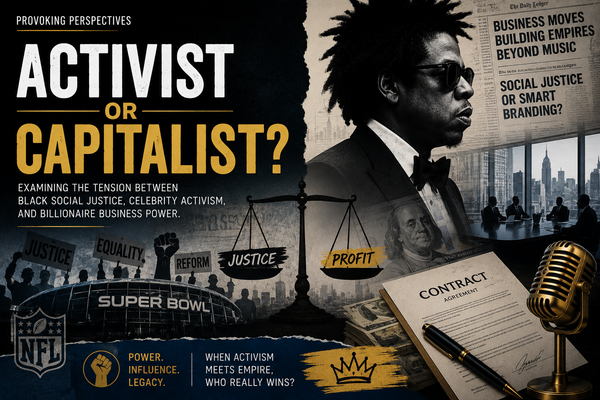
When Black celebrities partner with corporations facing public criticism, are they practicing ownership and economic power, or are they helping companies improve their image without real accountability?
That question is bigger than one celebrity or one company. It speaks to a deeper issue: Black culture is powerful, profitable, and globally influential, but Black communities do not always control the wealth created from that influence.
This conversation is not about attacking success. It is about asking whether celebrity partnerships produce real community power or simply create the appearance of progress.
Black Culture and Corporate America
Black entertainers, athletes, creators, and entrepreneurs have always had a complicated relationship with corporate America. Historically, Black performers helped shape music, fashion, sports, and entertainment while often being denied ownership, fair compensation, and control over the profits they helped create.
Many Black musicians created influential work but did not control their masters. Black performers filled seats and sold records while others controlled the business. Media companies profited from Black culture without always reinvesting in Black communities.
That history matters because today’s celebrity partnerships are not just business moves. They are symbols of power, trust, and influence.
The Jay-Z and Target Conversation
Recently, Jay-Z faced backlash over a Target partnership connected to a vinyl release commemorating Reasonable Doubt. On the surface, this may look like a standard business decision. Artists release exclusive editions, stores sell collectible items, and fans buy them.
But the criticism is not only about vinyl. It is about timing and symbolism.
Target has faced criticism from some consumers over changes to its diversity, equity, and inclusion efforts. So when a major Black cultural figure partners with a company under that kind of scrutiny, people naturally ask: Is this a genuine business opportunity, or does it help the company regain cultural credibility without deeper accountability?
That is a fair question.
Representation Is Not the Same as Power
One of the biggest issues in this conversation is the difference between representation and power.
Representation means visibility. It means seeing Black faces in advertisements, leadership roles, campaigns, and corporate partnerships. Representation can matter, but visibility alone does not guarantee ownership, investment, or justice.
Power is different.
Power means control over money, decision-making, supply chains, media platforms, production, distribution, and long-term community investment.
A Black celebrity partnership may look inspiring, but the deeper question is: Who benefits the most?
Does the deal create opportunities for Black-owned businesses? Does it support Black workers, vendors, artists, or communities? Does it build institutions? Or does it mainly help a corporation appear culturally connected?
The Risk of Cultural Credibility
Black culture drives trends in music, fashion, language, sports, and entertainment. Corporations understand this. That is why Black celebrities are valuable to major brands.
But cultural influence can be used in two different ways.
It can be used to open doors, build ownership, and create opportunities.
Or it can be used to make corporations look progressive without requiring meaningful change.
That is the danger.
When Black celebrities lend their credibility to a brand, they should consider whether that partnership advances more than personal wealth. The question is not whether Black celebrities are allowed to do business. Of course they are. The question is whether that business reflects responsibility to the culture that helped build their influence.
Accountability Must Be Balanced
It is fair to question Jay-Z’s partnership. It is also fair to question whether the public sometimes places too much responsibility on individual celebrities while continuing to support the same corporations directly.
We cannot demand accountability from celebrities while ignoring our own consumer habits.
If people are serious about holding corporations accountable, outrage is not enough. There must be strategy. Boycotts, public pressure, and consumer movements require clear demands, organization, discipline, and consistency.
Black consumers should ask:
What are we demanding from this company?
Are we asking for investment in Black communities?
Are we asking for contracts with Black-owned vendors?
Are we asking for transparency in hiring, promotion, and leadership?
Are we asking for real commitments beyond marketing campaigns?
Without clear demands, public anger becomes temporary noise.
Moving From Influence to Power
Black communities must move beyond symbolism and focus on ownership.
That means supporting Black-owned businesses, building independent media, investing in local entrepreneurs, creating youth pipelines, and demanding transparency from corporations that profit from Black culture.
It also means asking harder questions about celebrity success.
A Black billionaire does not automatically equal Black liberation. A Black face in a corporate campaign does not automatically mean Black communities benefit. Individual success can be powerful, but it should not be confused with collective progress.
Real power requires ownership, organization, education, infrastructure, and community investment.
Final Thoughts
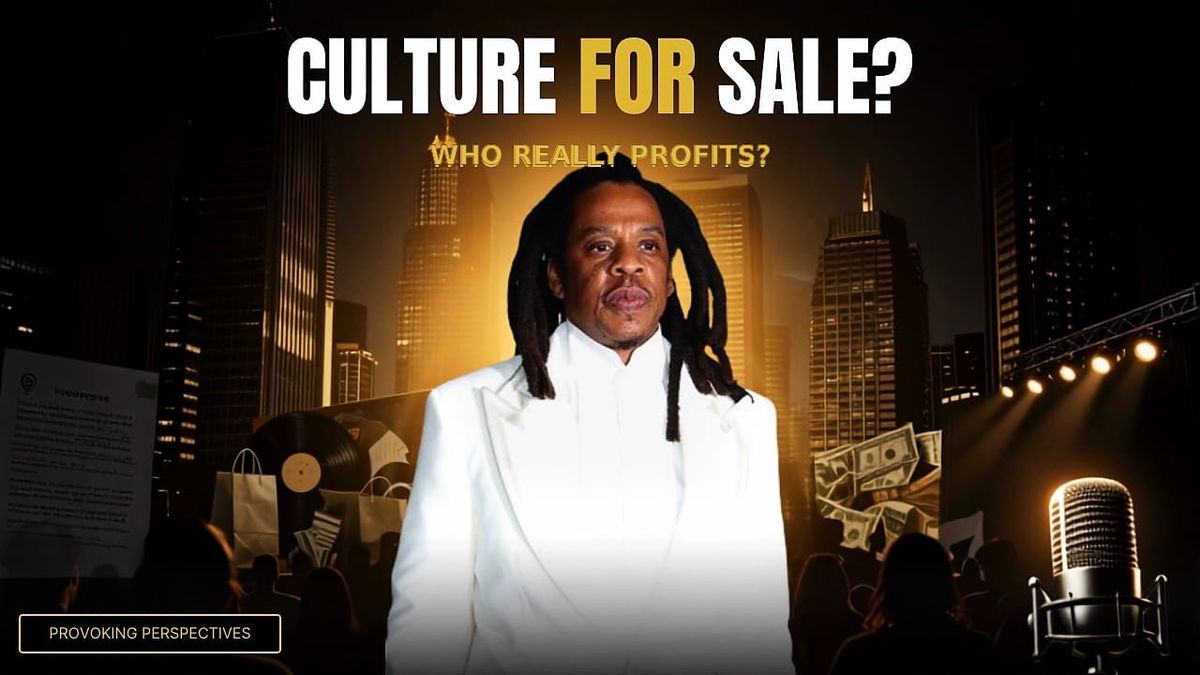
Jay-Z represents both the promise and the tension of Black influence. His success reflects what is possible when Black talent becomes business power. But the criticism around this partnership reminds us that individual achievement is not the same as collective empowerment.
The real question is not whether Jay-Z should be celebrated or condemned.
The real question is this:
What should Black influence produce?
If Black culture is powerful enough to sell products, it should also be powerful enough to demand respect, investment, and accountability.
Black influence must become more than visibility. It must become ownership. It must become strategy. It must become community power.
What Should You Take Away?
Black influence is powerful, but true progress requires more than representation. It requires ownership, accountability, and organized community action.
We should ask tough questions of celebrities, corporations, and ourselves. If we want real power, we must move beyond reaction and build with purpose.
FAQ
Should Black celebrities be held to a higher standard when partnering with corporations?
Yes, especially when their influence is rooted in Black culture. Their partnerships carry cultural weight and should be examined with responsibility.
Is it fair to criticize Jay-Z for working with Target if people still shop there?
Yes, but the criticism should also include consumer responsibility. Accountability cannot only be placed on celebrities.
What is the difference between Black representation and Black power?
Representation is visibility. Power is ownership, control, investment, and decision-making authority.
When companies reduce diversity commitments but partner with Black celebrities, is that progress?
Not necessarily. It may be public relations unless it includes measurable investment and accountability.
What should Black consumers demand from corporations?
Black consumers should demand transparency, community investment, contracts with Black-owned businesses, fair employment practices, and long-term accountability.