The Real Power Behind Black Entertainment: Ownership, Influence, and Legacy

Written by The Perspective Desk
Published by Provoking Perspectives
Black entertainment has always been bigger than performances, red carpets, viral moments, and award shows.
It is a reflection of culture.
It is a record of survival.
It is a form of storytelling.
It is a mirror of who we are, what we value, and what we are fighting to preserve.
With the 2026 BET Awards approaching, Black entertainment is once again at the center of the conversation. Cardi B leads this year’s nominations with six, while Kendrick Lamar and Mariah the Scientist follow with five each. Druski is set to host, making history as the youngest host in the show’s history. The performer lineup includes major names such as Cardi B, Doechii, Queen Latifah, Common, Jill Scott, Kehlani, Tems, T.I., Rick Ross, and more.
On the surface, this is a celebration.
But beneath the celebration is a deeper question:
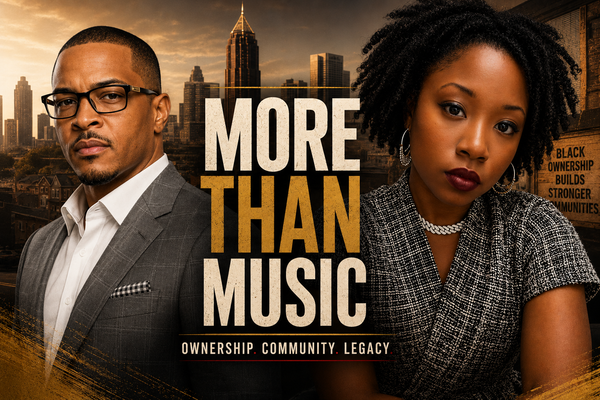
Are we building ownership, influence, and legacy — or are we simply chasing visibility?
That is the conversation we need to have.
Black Entertainment Has Always Shaped Culture
Black artists have never simply entertained.
They have carried history. They have told stories America tried to ignore. They have turned pain into music, resistance into rhythm, and survival into style.
During segregation, many Black performers could entertain white audiences on stage but could not sleep in the same hotels, eat in the same restaurants, or move freely with the dignity they deserved. That contradiction is important. It reminds us that Black talent has often been celebrated before Black humanity was respected.
So when we see Black artists celebrated today, we should honor the progress. But we should also remember the struggle that made that progress possible.
The journey from exclusion to recognition matters.
But recognition is not the final destination.
Representation Is Powerful, But Ownership Is Greater
Representation matters. Seeing Black artists on major stages matters. Seeing Black creativity celebrated matters.
But representation is only the beginning.
The deeper question is: who owns the stage?
Who controls the platforms?
Who profits from the culture?
Who owns the music?
Who owns the images?
Who owns the production companies?
Who controls the contracts?
Who decides which Black stories get funded, marketed, and remembered?
That is where power lives.
Black culture drives global popular culture. The music, the fashion, the slang, the humor, the dance, the style, and the creativity of Black communities influence the world.
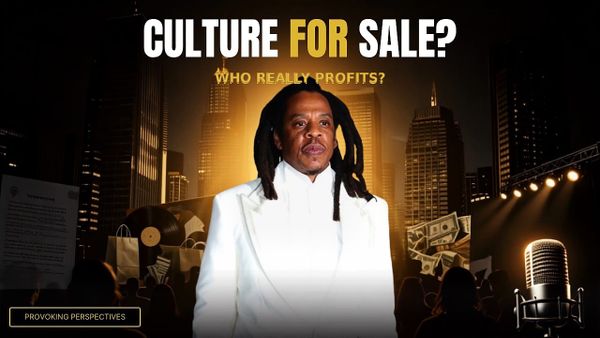
But influence without ownership can become exploitation.
That is why we cannot confuse being visible with being powerful.
Visibility gets you seen.
Ownership gives you control.
Legacy gives you permanence.
Cardi B and the New Celebrity Economy
Cardi B leading this year’s nominations says a lot about the modern entertainment industry.
Cardi understands attention. She understands personality. She understands social media. She understands branding. Whether people agree with her, criticize her, defend her, or debate her, she knows how to remain part of the public conversation.
That is a major part of success in today’s entertainment world.
Talent still matters, but talent alone is no longer enough. Artists are now expected to manage their image, build a digital presence, connect directly with fans, navigate controversy, and turn attention into opportunity.
That gives us an important leadership lesson:
Attention is currency, but ownership determines whether that currency becomes wealth.
For upcoming artists, creators, and entrepreneurs, the question is not just how to go viral. The question is what you are building after the viral moment passes.
Are you building a brand?
Are you building a business?
Are you building a platform?
Are you building community trust?
Are you building something that can outlast the algorithm?
Fame can disappear quickly.
Ownership creates staying power.
Kendrick Lamar, SZA, and the Power of Substance
While some conversations around entertainment focus on popularity, other artists remind us that cultural power is also built through substance.
Kendrick Lamar has built much of his career around lyricism, social commentary, identity, and storytelling. SZA has created a lane rooted in vulnerability, emotional honesty, relationships, and the complexity of Black womanhood.
That matters.
Black entertainment should make us dance, but it should also make us think. It should give us joy, but it should also give us reflection. It should allow room for celebration, pain, healing, love, protest, and imagination.
A healthy culture has range.
We need artists who entertain us.
We need artists who challenge us.
We need artists who tell the truth.
We need artists who help us feel.
We need artists who make us remember who we are.
The most powerful art does not just trend. It stays with people.
Druski and the Rise of the Digital Creator
Druski hosting the BET Awards is also significant because it shows how much the entertainment industry has changed.
He did not rise through only the traditional Hollywood pathway. He built influence through digital platforms, comedy, consistency, and cultural timing. His rise shows that Black creators now have more tools than ever to build audiences without waiting for permission from traditional gatekeepers.
That is progress.
But we still have to ask the deeper question:
Are Black digital creators gaining real industry power, or are they simply being invited in because they bring cultural relevance?
Being invited to the stage is one thing.
Owning the stage is another.
Being used to attract viewers is one thing.
Having equity, creative control, and production ownership is something else entirely.
That is the difference between access and power.
Celebration Without Accountability Is Not Enough
We should celebrate Black entertainers.
We should celebrate the singers, rappers, actors, comedians, dancers, directors, writers, producers, stylists, choreographers, and creators who shape culture every day.
But celebration without accountability can become performance.
We cannot applaud Black excellence on award night and ignore the systems that still limit Black ownership the next morning.
Many artists are still fighting for fair contracts, creative control, mental health support, ownership of their work, and protection from exploitation. Many creators generate massive cultural value while others control the infrastructure that monetizes it.
So when we celebrate, we also need to ask:
Who benefits?
Who owns the work?
Who controls the image?
Who protects the artist?
Who builds the institution?
Who keeps the wealth?
These questions are not meant to tear down Black entertainment. They are meant to strengthen the conversation around it.
That is the mission of Provoking Perspectives: to encourage thoughtful discussion, critical thinking, community engagement, leadership, and informed action — not just surface-level commentary.
Building a Legacy Beyond the Moment
As the BET Awards approach, we should enjoy the performances. We should celebrate the fashion. We should honor the artists. We should appreciate the cultural moments.
But we should also think beyond the moment.
True power in Black entertainment is not just about who wins an award. It is about who owns the companies, controls the narratives, funds the projects, protects the artists, and builds platforms for the next generation.
Visibility matters.
Representation matters.
Celebration matters.
But ownership is what turns influence into legacy.
So yes, let’s celebrate Black entertainment.
But let’s also ask:
What are we building with all this influence?
Join the Conversation
Who are you most excited to see at the BET Awards this year?
Do you believe Black entertainment is evolving toward real ownership and power, or are we still chasing visibility without enough control?
Drop your thoughts in the comments.
Summary
Black entertainment has the power to shape culture, challenge narratives, and influence the world. But long-term impact depends on ownership, creative control, economic power, and institution building. As audiences, we should celebrate Black excellence while also demanding that Black culture be protected, respected, and owned by the people who create it.
FAQ
Why is ownership important for Black artists?
Ownership allows artists to control their work, profit from their creativity, and build long-term influence beyond temporary fame.
How has digital media changed opportunities for Black creators?
Digital platforms have allowed creators to build audiences without relying entirely on traditional gatekeepers. However, influence must still be turned into ownership, business structure, and long-term power.
What should fans look for when supporting Black entertainment?
Fans should support artists and creators who value ownership, creative control, fair business practices, community investment, and cultural responsibility.
How is representation different from ownership?
Representation means being seen. Ownership means having control over the work, the profits, the platform, and the future direction of the culture.
Is the BET Awards still relevant today?
Yes, the BET Awards remain culturally relevant as a celebration of Black achievement. But their deeper relevance depends on whether the conversation continues to move beyond celebrity recognition and toward ownership, influence, and legacy.
Excerpt
Black entertainment is more than fame, performances, and award shows. As the BET Awards approach, we must ask whether Black culture is building true ownership, influence, and legacy — or simply chasing visibility without enough control.